How to Prevent Winter Ice Dams on Your Michigan Home
Winter in Metro Detroit brings a unique set of challenges for homeowners. We are no strangers to rapid weather changes. One day we have a massive snowstorm, and the next, the sun comes out, melting the snow, only for temperatures to plummet again overnight. Ope, just another week in The Mitten! While these freeze-thaw cycles are a normal part of our climate, they create the perfect environment for one of the most frustrating winter home maintenance issues: ice dams.
At Dickinson Construction LLC, we have seen firsthand the kind of havoc these thick ridges of solid ice can wreak on a house. When snow melts on the warmer upper sections of your roof and refreezes at the colder eaves, it creates a frozen barrier. This dam prevents additional melting snow from draining off the roof, causing water to back up under your shingles and leak into your living space. If you have ever wondered how to prevent ice dams on roof surfaces before they cause major internal water damage, you are in the right place. In this guide, we will walk you through everything you need to know about protecting your home this winter.
Understanding the Causes and Warning Signs
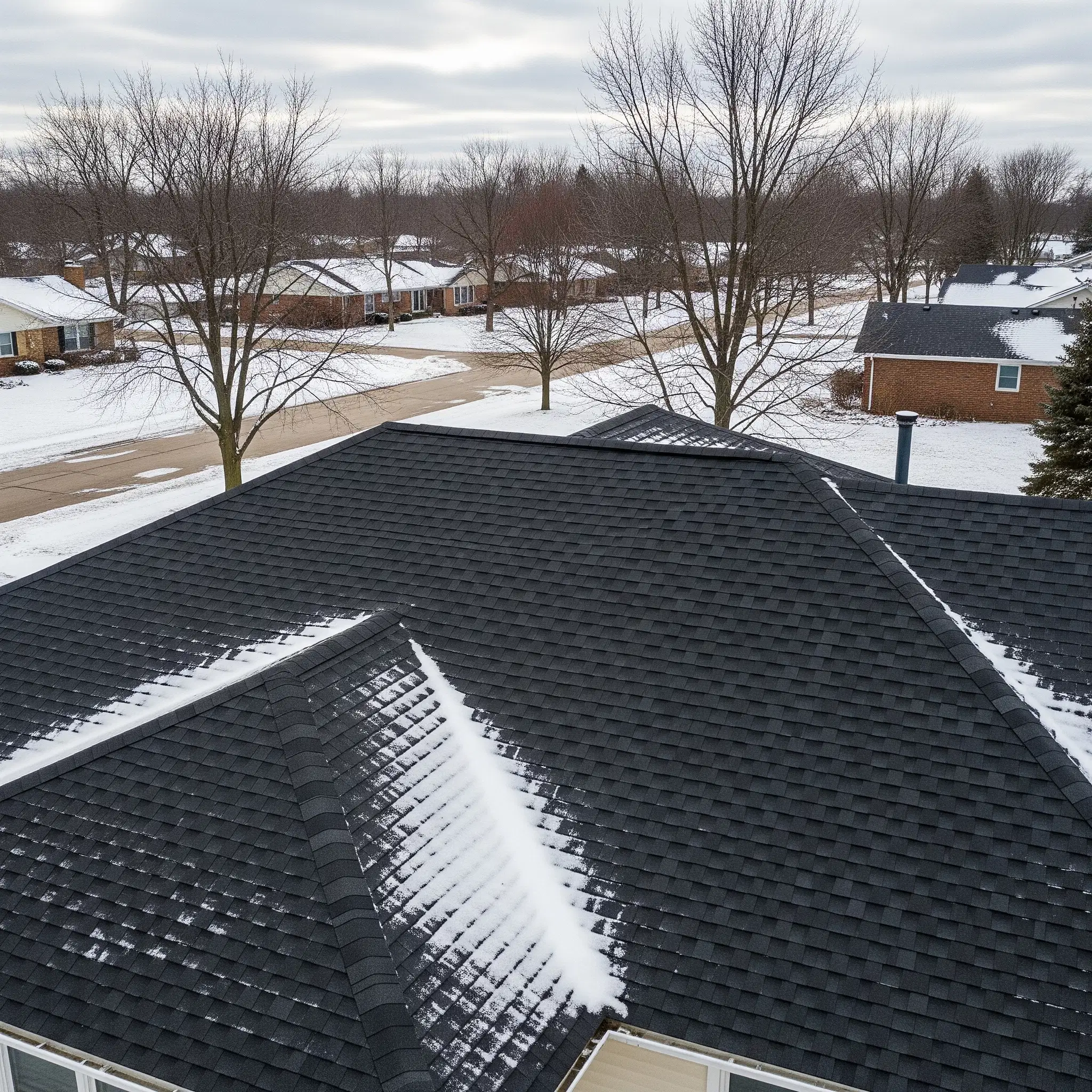
Before we can stop ice dams from forming, it helps to understand exactly why they happen. The primary culprit is uneven roof temperatures. When your attic is poorly insulated or inadequately ventilated, the heat from your living space escapes upward. This warm air heats the center of your roof, melting the snow layer from underneath. As that water trickles down to the edges of your roof—which overhang the exterior walls and remain freezing cold—it turns back into ice. Over days or weeks, this ice builds up, creating an impenetrable wall.
If you are not regularly checking your roofline from the ground, the first indication of a problem might unfortunately happen inside your house. Knowing the signs of roof ice dam damage can save you from a massive headache. Look out for yellow or brown water stains appearing on your upper-floor ceilings, or moisture running down your interior walls. Outside, you might notice sagging gutters struggling under the immense weight of solid ice, or torn and lifted shingles where the expanding ice has forced its way underneath the materials.
Many homeowners ask us how to tell if a roof needs replacing or if it just needs a localized fix after a harsh winter. If ice damming has caused extensive water intrusion, rot in the underlying wooden decking, or widespread shingle deterioration, basic roofing repair might not be enough. Catching the warning signs early is crucial for keeping your overall roofing cost manageable and preserving the structural integrity of your home.
Effective Strategies to Protect Your Roofline
The good news is that ice dams are largely preventable with the right proactive measures. The most effective long-term solution involves addressing the heat loss in your attic. Upgrading your attic insulation and ensuring proper ventilation keeps your roof deck at a consistent, cold temperature, preventing the snow from melting unnaturally in the first place.
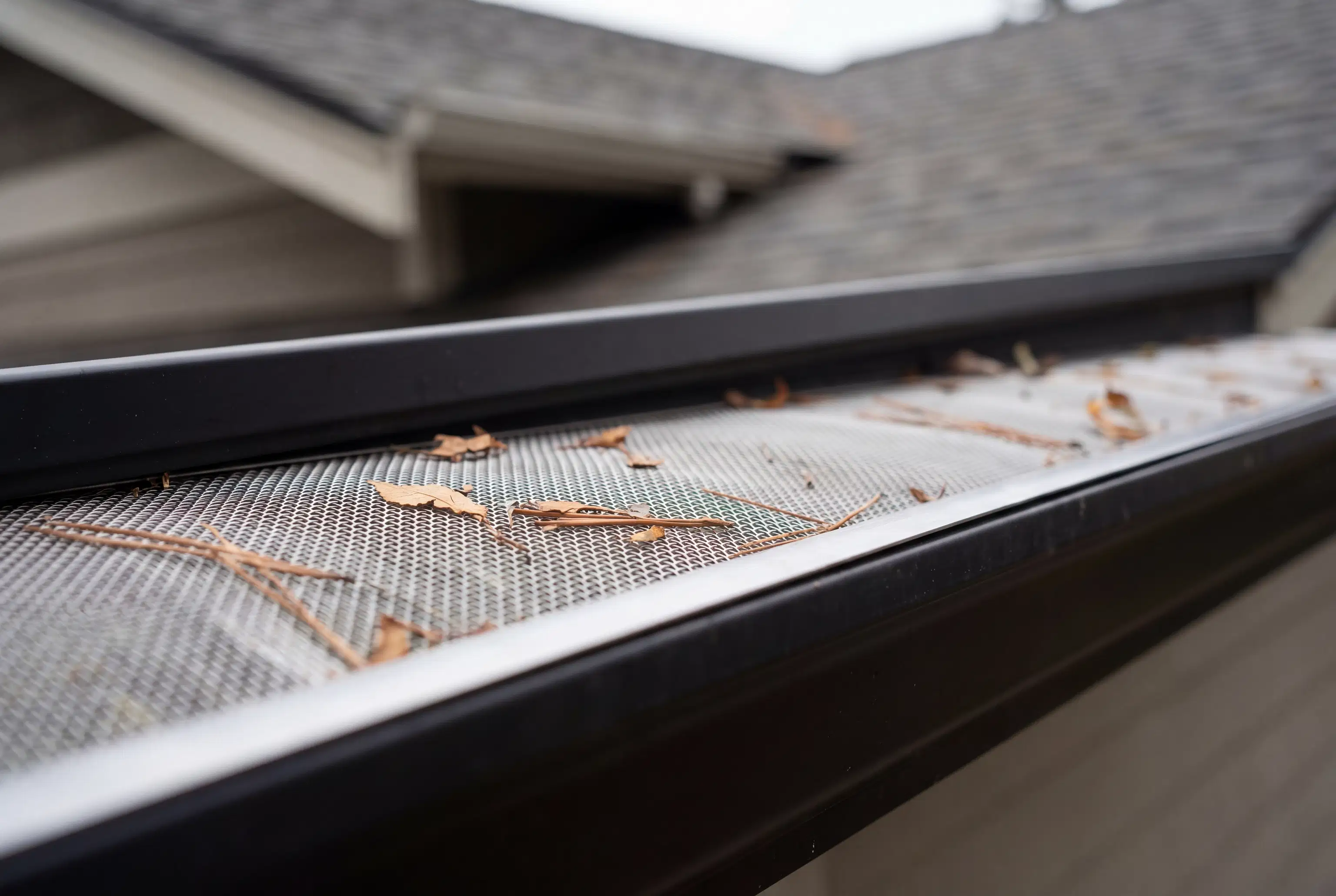
However, the exterior of your home needs just as much attention before the snow flies. Your gutter system plays a critical role in directing melting water away safely. When gutters are clogged with autumn leaves, pine needles, and debris, water has nowhere to go when the snow melts, rapidly accelerating ice buildup. We highly recommend investing in gutter protection to prevent ice dams. High-quality leaf guards ensure that your gutters remain clear year-round, giving melting snow an unobstructed path to drain away safely.
Another critical area of vulnerability is your roof's edge. The fascia boards and trim are often the first architectural elements to succumb to water damage, mold, and rot when ice dams force water backward. Upgrading to a professional fascia and trim metal wrap adds an essential layer of moisture defense. This durable metal barrier seals the vulnerable wood away from the harsh winter elements, significantly extending the lifespan of your roofline.
If you are already dealing with an active leak, it is important not to panic and start hacking at the ice with a hammer or shovel—this is a surefire way to severely damage your shingles and void your warranties. Instead, you need professional ice dam removal and roof repair. Professional roofing services utilize safe methods, such as low-pressure steam, to carefully melt the ice without compromising the delicate materials underneath.
Choosing the Right Local Expertise
Unfortunately, severe winter weather often brings out out-of-state storm chasers who knock on doors offering quick, suspiciously cheap fixes. These transient operators frequently lack the proper licensing, bonding, and insurance required to protect you from liability. When it comes to safeguarding your biggest investment, it pays to work with established, local roofing companies that understand our specific regional building codes and the heavy toll local weather takes on a house.
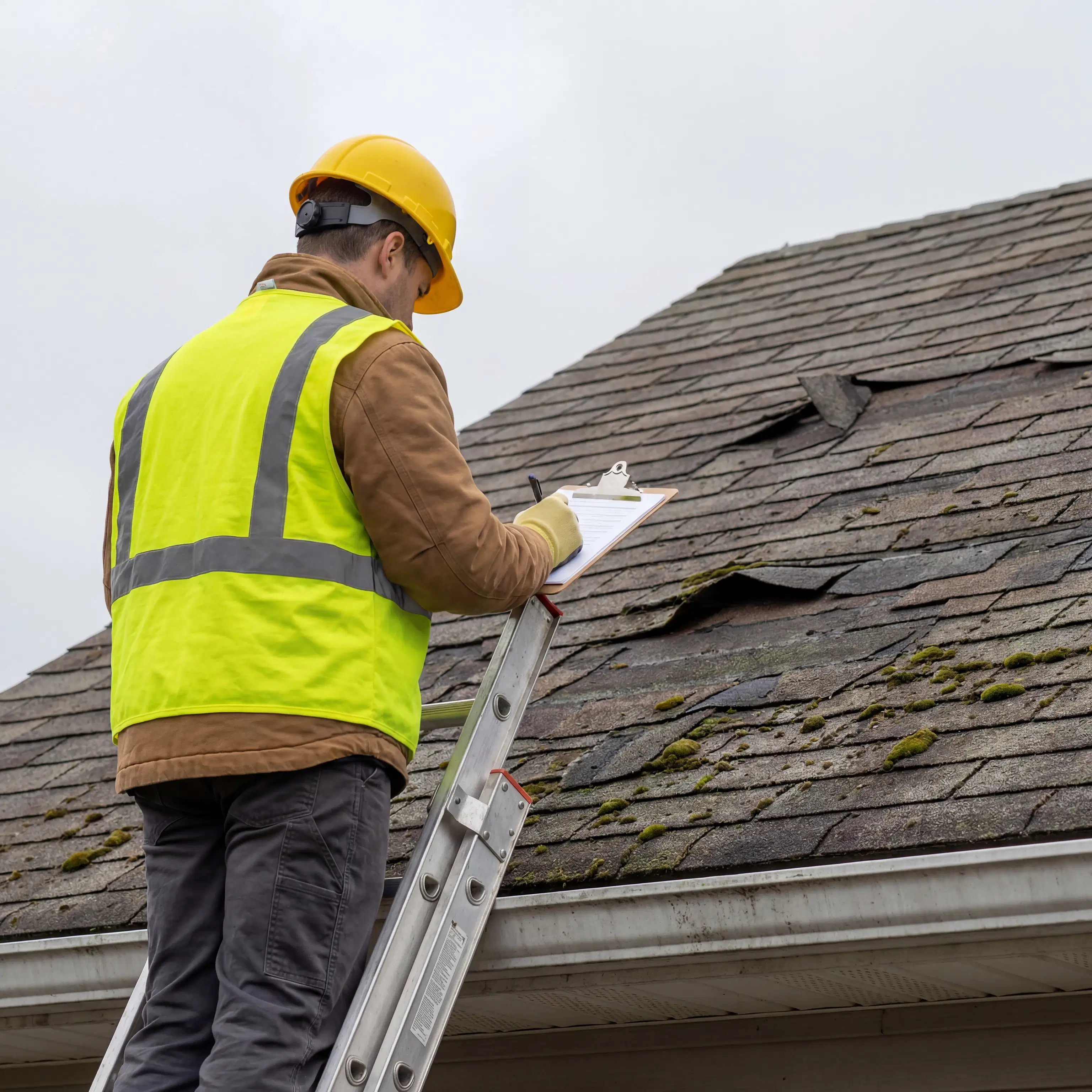
At Dickinson Construction LLC, we believe in complete transparency and doing things the right way. We utilize modern technology, including drone-assisted roof inspections, to safely and accurately assess winter damage without putting our crew at unnecessary risk or walking on brittle, icy shingles. This advanced technology allows us to provide highly detailed, transparent roofing quotes so you know exactly what the scope of work entails before anything begins.
Whether you need emergency roofing assistance after a major freeze or you want to proactively upgrade your home's exterior defenses before heading Up North for a winter getaway, our team is here to help. We are proud to provide reliable residential construction and maintenance solutions to our neighbors in Belleville and the surrounding communities.
Don't wait for a devastating leak to ruin your winter. Protect your home today by exploring our residential roofing options, or contact us to schedule a comprehensive evaluation. Let our family keep your family safe, warm, and dry this season.